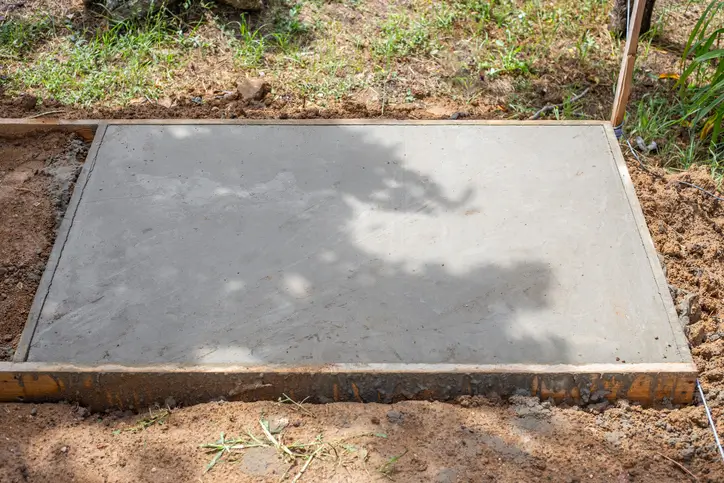
Concrete Bases Installed Throughout Hayes
We regularly carry out concrete shed base installations across Hayes for homeowners upgrading older garden spaces or preparing for new outdoor buildings. A lot of the properties locally involve tighter suburban layouts, shared access routes and narrow side passages, so access planning is normally a big part of the job before excavation even starts.
Being a Slough based concrete contractor covering Hayes regularly, we're used to working around restricted access situations where materials, hardcore and equipment need to be moved carefully through side gates or terraced property walkways without damaging surrounding areas.
Most customers contact us when installing larger insulated sheds, workshops, summerhouses or garden offices that need a proper long-term base underneath them. We prepare and install stable concrete foundations designed to keep the structure level and properly supported over time.
Used To Hayes Access Restrictions & Garden Layouts
A lot of the concrete base work we take on in Hayes involves gardens where access is tighter than expected once the project starts. Shared alleyways, narrow side entrances and limited working space are common across many suburban and terraced properties locally.
Because we carry out this type of installation work regularly, we plan access and site preparation properly before arriving on site. That includes understanding how materials will move through the property, where spoil will be removed and how concrete delivery will be coordinated efficiently.
- Concrete shed bases for sheds, workshops and garden rooms
- Preparation for insulated outdoor buildings
- Excavation and sub-base installation
- Ground levelling and formwork preparation
- Experience working with restricted garden access
- Clean installation planning around occupied homes
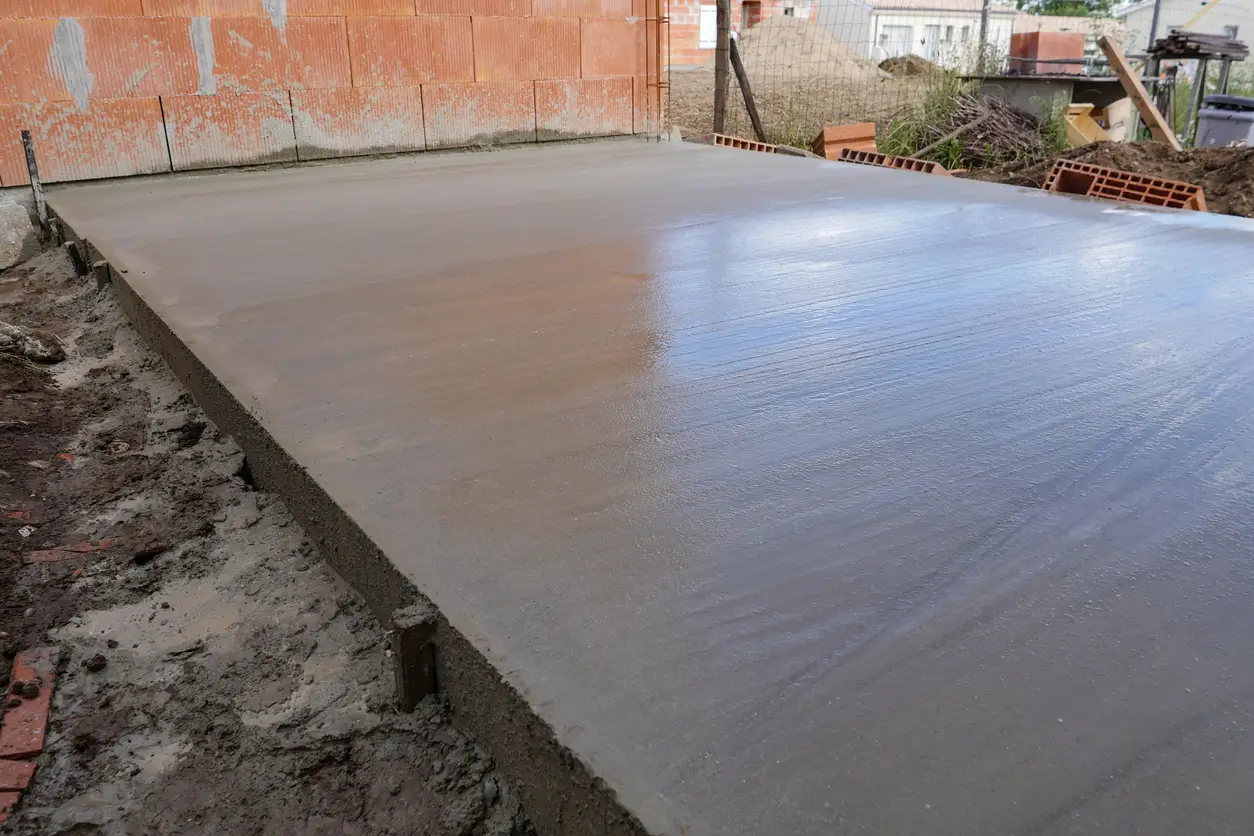
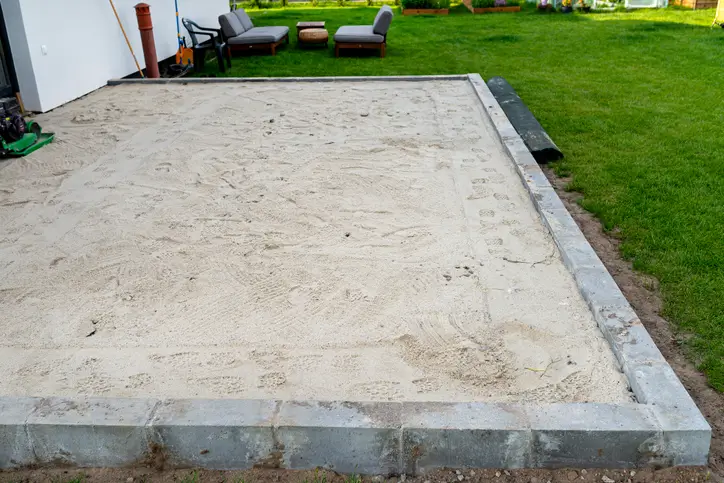
Completed Concrete Base Installations
Proper Preparation Matters On Smaller Garden Plots
Across Hayes, a lot of rear gardens don't leave much room for error once excavation begins. Older uneven slabs, soft ground patches and poor drainage areas are all things we regularly come across when replacing failed shed bases or preparing for heavier garden buildings.
Before pouring concrete, we normally remove unstable material, prepare the ground properly and compact the sub-base to help prevent future movement. This becomes especially important for insulated buildings and heavier framed structures where long-term stability matters.
If you're still deciding on sizing or planning requirements, our guide covering planning permission for concrete bases can help explain what usually applies to garden structures and outdoor buildings.
We also regularly speak to customers replacing failed slabs, particularly where older installations were too thin or poorly supported underneath. Our article explaining why some shed bases sink covers some of the common problems we see during replacement work.
How We Normally Carry Out Concrete Base Installations
Once we understand the building size, access situation and ground conditions, we can normally advise on the preparation required fairly quickly. Every property is slightly different, particularly around Hayes where garden layouts can vary a lot between terraces, semis and extended suburban homes.
- Site assessment and access planning
- Excavation and removal of loose material
- Hardcore installation and compaction
- Levelling and edge preparation
- Concrete pour and finishing
- Final checks before curing begins
Where customers are installing heavier outdoor buildings, we also recommend understanding what actually makes a concrete base structurally strong so the slab matches the intended building properly.
If you're budgeting for a future installation, our page explaining rough concrete shed base costs gives a general idea of what can affect pricing depending on access, excavation and overall size.
Need A Concrete Shed Base Installed In Hayes?
If you're planning a new shed, workshop, garden room or outdoor building, get in touch to discuss the size of the base, access to the garden and any preparation work required before installation.